Today’s Devotional
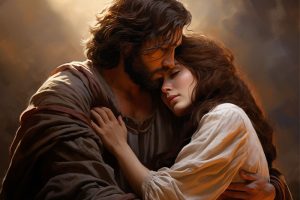
Picture someone standing at the edge of a field at dusk, trying to decide whether to walk back toward a house they left a long time ago. The lights are on. Smoke rises from the chimney. And every step closer feels heavier than the last, because the distance was their own doing.
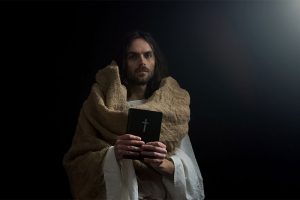
Jesus says something unusual in John 10:11. He calls himself the good shepherd before he describes what the good shepherd does. The word “good” comes first, before the laying down, before the sacrifice, before the cost. I think about that order sometimes. He could have led with the action, the dramatic part, the part that would impress. Instead he led with his character. “I am the good shepherd.” The goodness is already settled before a single sheep has wandered. The rescue is already written into who he is, not a reaction to how far someone has gone. A hired hand calculates. A hired hand measures the distance and decides whether the trip is worth it. Jesus places his identity in the rescue itself. The laying down of his life is what makes the word “good” true, and the word “good” is what makes the rescue certain.
That person at the edge of the field, the one unsure of their welcome: the lights were left on for them. The goodness of the shepherd is older than the wandering.
Time to reflect
Sit with this verse the way you would sit with a letter you almost threw away before opening it.
- What is the distance you have put between yourself and God, and when did you start believing that distance disqualified you from coming back?
- When you imagine God’s response to your return, do you picture warmth or a lecture? Where did that picture come from?
- Is there a specific failure you carry that you have quietly decided is too large for grace to cover?
- Who in your life right now might be standing at the edge of the field, unsure whether the lights are on for them?
Prayer Of The Day
Lord, we have measured the distance we have traveled from you and assumed it was too far. We have looked at the mess we made of the road and decided that disqualified us from turning around. Teach us to hear the word “good” the way you meant it: as the settled truth about who you are, unchanged by where we have been. We confess that we have trusted our shame more than your character. Meet us where we are, not where we think we should be. Remind us that the rescue was your idea before the wandering was ours. In Jesus’ name, we pray. Amen.
Strengthening Faith
The goodness of the shepherd becomes real when you let it reach you where you actually are, not where you wish you were.
- Read Psalm 23 slowly this morning, and each time you encounter the word “my,” pause. Let the possessive land. He is your shepherd, specifically.
- Identify one thing you have been avoiding bringing to God in prayer because it feels too messy or too late. Bring it today, in plain language, without cleaning it up first.
- Write the words “The goodness came first” on a piece of paper and place it where you will see it before noon.
- Reach out to someone you have lost touch with. Send a short, honest message that says you have been thinking of them. No explanation needed.
- At some point today, deliberately stop moving. Stand still for sixty seconds and notice what it feels like to not be running from anything or toward anything.
- Read Luke 15:3-7, the parable of the lost sheep. Pay attention to the verb “goes after.” Notice who initiates.
Today Wisdom
Good is the word that arrives before the shepherd moves. It is the reason the shepherd moves at all. Every rescue you have ever needed was already a settled fact in the character of the one doing the rescuing, written into his name before you took your first wrong step.